

Introduction
Calcium Carbonate (CaCO₃) remains one of the most widely used mineral fillers across global industries. From plastics to paints, pharmaceuticals to agriculture, the demand for consistent, high-purity mineral solutions continues to rise. At Aaharva Chemicals, our focus is on supplying stable-quality, micron-controlled Calcium Carbonate that supports efficiency, product performance, and long-term cost savings for manufacturers.
This blog explains the different grades, applications, benefits, and industrial relevance of Calcium Carbonate, helping buyers and manufacturers choose the right material for their production lines.
What Is Calcium Carbonate?
Calcium Carbonate is a naturally occurring mineral found in limestone, marble, chalk, and calcite formations. Its brightness, chemical stability, and cost-effectiveness make it a preferred raw material across industrial applications.
Industries rely on Calcium Carbonate for:
- Improving product durability
- Enhancing opacity and whiteness
- Acting as a functional filler
- Providing reinforcement and dimensional stability
- Reducing overall production cost without reducing quality
At Aaharva Chemicals, we source and process CaCO₃ with strict quality checks to ensure consistent brightness, controlled particle size, and minimal impurities.
Types of Calcium Carbonate Grades Used in Industry
Different industries require different types of CaCO₃. Understanding the grades is crucial for optimizing performance.
1. Coated Calcium Carbonate
Surface-modified with stearic acid, ideal for:
- Plastics
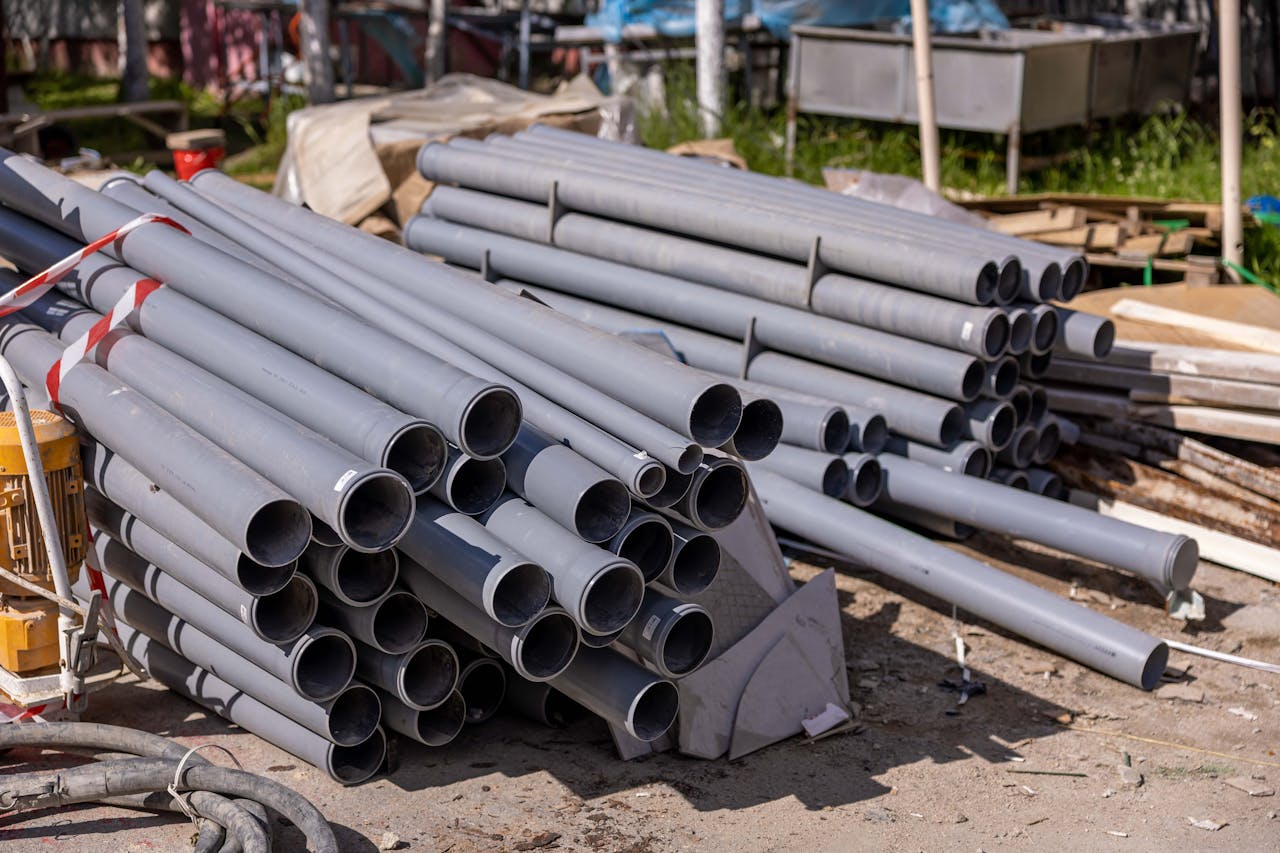
- PVC pipes
- Masterbatches
- Cables and compounds
Benefits:
- Improved dispersion
- Lower moisture content
- Higher melt flow
2. Uncoated Calcium Carbonate
Pure ground mineral used in:
- Paints
- Paper
- Adhesives
- Construction
Benefits:
- High whiteness
- Increased bulk volume
- Cost-efficient filler
3. Precipitated Calcium Carbonate (PCC)
Synthetically produced with controlled morphology. Used for:
- Pharmaceuticals
- Food industry
- Specialty papers
Benefits:
Higher brightness
Ultra-high purity
Controlled crystal structure
Industrial Applications of Calcium Carbonate
1. Plastic & Polymer Industry
CaCO₃ improves:
- Rigidity
- Impact strength
- Dimensional stability
Most importantly, it reduces raw material costs without compromising performance.
2. Paints & Coatings
Used for:
- Opacity
- Gloss control
- Anti-settling properties
- Smooth dispersion
High brightness from Aaharva Chemicals ensures a premium finish.
3. Rubber & Cables
Acts as a reinforcing filler for better tensile strength and volume.
4. Paper Industry
Improves opacity, brightness, and print quality while reducing pulp usage.
5. Construction Materials
Used in tiles, putty, plaster, and cement formulations.
6. Agriculture
Neutralizes soil acidity and provides Calcium supplementation for crops.
7. Pharma & Food
High-purity PCC is used in antacids, tablets, and food fortification.
Why High-Purity Calcium Carbonate Matters
The performance of your product significantly depends on mineral quality. Low-grade CaCO₃ leads to:
- Yellowing
- Poor dispersion
- Lower strength properties
- High moisture
- Production inefficiencies
Aaharva Chemicals provides:
- Consistent whiteness (90%+)
- Controlled particle size distribution
- Low oil absorption
- Guaranteed moisture control
- High purity with minimal impurities
How Aaharva Chemicals Ensures Quality Consistency
We focus on:
- Sourcing premium limestone
- Precision grinding technology
- Chemical testing of each batch
- Moisture control systems
- Micronized particle size options
- Customized solutions for industries
Every order is processed with a commitment to reliability, transparency, and long-term cooperation.
Conclusion
The growing industrial demand for reliable Calcium Carbonate suppliers makes quality, consistency, and customer support more important than ever. With Aaharva Chemicals, industries get mineral solutions that enhance product strength, reduce cost, and deliver long-term reliability.