
Introduction
Whether you’re in paints, paper, rubber, coatings, agriculture, or plastics, the quality of Calcium Carbonate you use directly affects your final product. Impurities, moisture, or incorrect micron sizes can lead to defects, slower production, or customer complaints.
In this blog, we break down all essential quality parameters manufacturers must evaluate before selecting a CaCO₃ supplier—based on global standards similar to Indocal, TLD, and leading chemical companies.
Understanding the Source of Calcium Carbonate
Description:
Quality starts at the raw material source.
Calcium Carbonate derived from:
- High-purity limestone
- Stable calcite deposits
- Low-silica geological formations
…offers better performance in industrial applications.
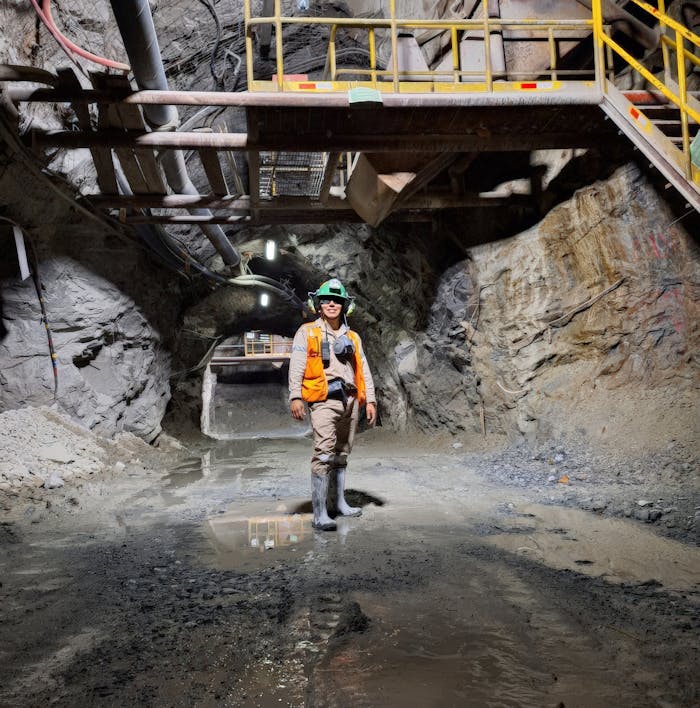
At Aaharva Chemicals, we select mines based on brightness, chemical stability, and mineral consistency.
Chemical Purity Requirements
Description:
Your CaCO₃ must have:
- CaCO₃ Content: 90–99%
- Low Iron (Fe₂O₃): To prevent yellowing
- Low Silica: For better dispersion and plastic strength
- Low Magnesium: For chemical stability
- pH Stability: For paints and adhesives
High-purity CaCO₃ leads to fewer defects and more stable products.
Particle Size Distribution (PSD)
Description:
PSD determines:
- Smoothness
- Strength
- Opacity
- Dispersion
Industries require different particle sizes:
| Industry | Ideal Micron Size |
| Plastics | 2µ – 5µ |
| Paints | 5µ – 10µ |
| Rubber | 10µ – 15µ |
| Construction | 10µ – 25µ |
Aaharva Chemicals provides consistent PSD through precision grinding machines.
Brightness & Whiteness
Description:
High brightness CaCO₃ enhances:
- Gloss
- Opacity
- Whiteness
- Print clarity
Paints, plastics, and masterbatches perform best with 90–95% brightness.
Moisture Control
Description:
Moisture is a critical parameter.
High moisture causes:
- Poor flowability
- Blisters in extrusion
- Slow drying
- Weak coating coverage
Aaharva Chemicals ensures moisture levels within controlled limits for each grade.
Surface Coating (For Plastics)
Description:
Stearic acid coating improves:
- Flow
- Compatibility with polymers
- Surface smoothness
- Thermal stability
Typical coating: 1% to 1.2%
Packaging & Transportation Quality
Description:
Well-handled packaging prevents contamination. We use:
- Moisture-proof bags
- Clean loading practices
- Secured pallets
- Batch labeling
- Transparent delivery documentation
This ensures manufacturers receive material that is fresh and stable.
Conclusion
Selecting the right Calcium Carbonate involves evaluating purity, brightness, PSD, coating levels, and moisture content. With Aaharva Chemicals, industries get mineral solutions designed for reliability, consistency, and maximum production efficiency.